Alignment Specs Printed Before and After
Wheel Alignment in Salisbury for vehicles pulling to one side, showing uneven tire wear, or driving after suspension work
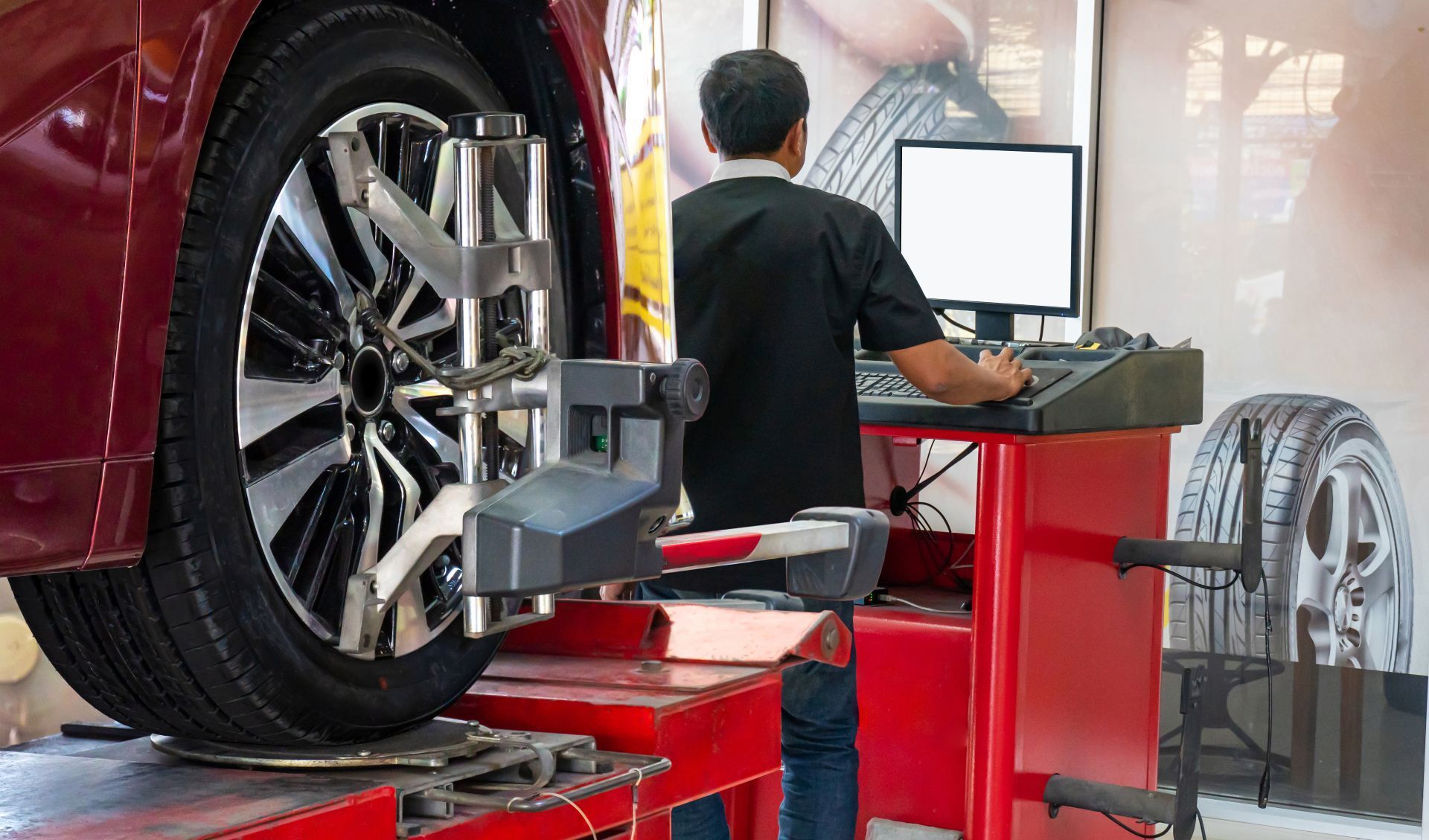
Shore roads with drainage crowns and patchy pavement surfaces throw wheel alignment out of specification faster than smooth metro highways, and North Salisbury and Delmar commuters notice steering pull and accelerated tire wear sooner than expected on vehicles that were aligned months earlier. Rondell's Auto Inspections & Sales measures camber, caster, and toe angles before adjustment, prints the readings, performs alignment to factory specifications, and prints the final angles so you see exactly what changed on paper. You leave with documented before-and-after measurements, not a verbal assurance or pass sticker without supporting data.
Alignment machines measure front and rear wheel angles in degrees and compare them to manufacturer specifications, flagging out-of-range camber that causes inner or outer tire edge wear, incorrect toe that scrubs tread across the contact patch, and caster imbalance that creates steering pull. Technicians adjust tie rods, cam bolts, and eccentric bushings to bring angles back within specification, then retest and print final readings to confirm correction.
Schedule a wheel alignment with printed documentation to verify your vehicle's current angles and see measured correction results.
What Documented Alignment Measurements Reveal
Printed alignment specs show the exact camber, caster, and toe readings before adjustment, factory specification ranges for your vehicle, and post-alignment angles that confirm correction. You see which wheels were out of specification and by how many degrees, whether rear angles contributed to steering pull, and if suspension component wear limited the technician's ability to achieve perfect alignment. This documentation explains why tires wore unevenly and proves that adjustment brought all four wheels back within manufacturer tolerance.
After alignment, your vehicle tracks straight on flat road without constant steering correction, tire wear patterns normalize across the tread width rather than concentrating on inner or outer edges, and handling feels stable during lane changes. Printed specs confirm that camber, caster, and toe are within specification and that any remaining pull is due to road crown or tire condition rather than misalignment.
Alignment documentation also flags suspension wear that prevents adjustment—worn ball joints, damaged control arm bushings, or bent components—so you know whether additional repairs are needed to maintain alignment over time. Technicians note these conditions on the printed report, separating alignment correction from underlying mechanical issues that may require further attention.
Answers to Frequent Alignment Questions
Wheel alignment often raises questions about how often it should be done, what causes misalignment, and whether printed specs actually matter. These responses cover what drivers across the Eastern Shore typically ask when scheduling alignment work.
What do the printed alignment numbers actually mean?
Camber measures wheel tilt in or out at the top, caster measures steering axis angle front to back, and toe measures whether wheels point inward or outward when viewed from above—each angle affects tire wear and handling in specific ways.
How often do Shore roads knock alignment out of specification?
Patchy pavement, potholes, and drainage crowns common across North Salisbury and Delmar cause alignment shifts more frequently than smooth highways, with many vehicles requiring adjustment every 12 to 18 months rather than the typical two-year interval.
Why does my vehicle still pull slightly after alignment?
Road crown designed for water drainage causes a slight rightward pull on most flat roads, and uneven tire wear from previous misalignment may persist until tires are rotated or replaced—printed specs confirm whether alignment itself is correct.
Can alignment fix my uneven tire wear?
Alignment correction stops further uneven wear by bringing wheels back to specification, but existing wear patterns remain until tires are rotated or replaced—printed before-and-after specs document the correction that prevents additional damage.
What prevents alignment from being adjusted to specification?
Worn ball joints, damaged control arm bushings, bent suspension components, or seized adjustment bolts can limit a technician's ability to achieve factory angles, and these conditions are noted on the printed alignment report so you know what additional work may be needed.
Rondell's Auto Inspections & Sales provides printed before-and-after alignment specs on every service, so drivers in Salisbury see documented proof of angle correction rather than trusting a verbal report. Book an alignment appointment to receive measured specs and confirm your vehicle's wheels are within factory tolerance.